Hey old bike guy, what's your take on the now infamous bike rider/bus driver/bus passenger incident and lawsuit in our fair city? Is it still safe for us youngsters to ride in this town?
—The kids are Albright?
Hey Kid,
Was it ever safe? I doubt it's less safe now; just don't ride alone at night, when cover of darkness and consumption of substances lower inhibitions and increase vigilante impulses all around. [Update: City government seems to have recognized the menace of balkanization on the road and has launched a campaign for decency and civility. Good on them.]
But since you asked, here's my take:
When the cyclist left the bike lane approaching the Hawthorne Bridge and rode in the right-hand part of the traffic lane, he showed bad form. If you're gonna take a lane, then throw down a traffic-speed interval, get out in the middle, and take the damned lane. By weaseling along on the right-hand edge of a narrow, high-traffic lane (see for yourself), the cyclist invited the close encounter with the bus.
But what if traffic speed is too fast to match? That's a clue to stay out of the lane altogether, unless you're from Manhattan and you're comfortable with such close quarters. Obviously he wasn't.
Ostensibly the cyclist left the bike lane because the gravel from recent snow-control efforts made it unsafe. But he put himself in much greater danger with his non-committal lane position and pace. He could have just negotiated the bike-lane gravel at an appropriate speed for a few hundred yards, then been home free. As I've said before, there's no need to be a martyr; this is supposed to be fun.
So the cyclist makes a bad decision, invites a close call, then goes postal when it happens—breaking at least three laws in the process. And he gets an equally brutish and unlawful reaction from the bus driver and passenger. That's fine; arrest all three, cuff 'em, throw 'em in a holding cell and let 'em hate on each other for a few hours. They deserve it. Too bad the cops didn't see it.
Sadly, though, we all pay for their shared caveman complex now. Balkanization accelerates and we cyclists—who also drive cars now and then—get hated as a class. Meanwhile, we taxpayers have to pay for a boneheaded abuse of court time. Thanks a lot, law-suit guy. Nice advocacy. Nice riding.
Tuesday, January 24, 2006


Thursday, January 19, 2006
Unstealing bikes: progress report
One potential donation of a complete-ish bike fell through, but two other bikes are coming along, thanks to parts contributions from Patrick and others. Here's an update for anyone who's interested—especially David, Nellyda, and Connie, the upcoming recipients.
Bike 2 is a Norco Bigfoot, a pretty sweet mountain bike back around 1992 (the year I did my last mountain-bike race, come to think of it). The frame size is a tad over 19 inches, with a 23-inch top tube and a 31-inch standover height. It's most likely a fit for David, but might also work for Nellyda if David says "pass." It's got street tires, not knobbies. It still needs a front brake cable hanger (to fit a 1 1/8" steer tube) and may need a fork (6 3/4" threaded steer-tube length should do) if I'm unable to align the current one.
Bike 3 is a fairly recent Pacific mountain-style bike. Yes, that's a discount-store brand, but it's certainly not underbuilt and it does have alloy rims, v-brakes, and click shifting. It's a 17-inch frame with a 22-inch top tube and a standover height of 29 1/2 inches. It most likely fits Connie, if she's still interested. It needs "noodles" for the v-brakes and some axle nuts for the rear wheel (10 x 1 mm, I think), both of which should be easy for me to find.
Nellyda has indicated a strong preference for a road bike and may want to hold out a little longer in case anything comes up.
Meanwhile, Jay received the first "unstolen" bike about two weeks ago. The plan is for it to help him get to his new job at a shipping distribution center located miles from any TriMet line. It was nap time when I delivered it, so I didn't meet his wife and baby—but brightly colored toys were scattered all over the living-room floor, just like at Casa WOBG.
Bike 2 is a Norco Bigfoot, a pretty sweet mountain bike back around 1992 (the year I did my last mountain-bike race, come to think of it). The frame size is a tad over 19 inches, with a 23-inch top tube and a 31-inch standover height. It's most likely a fit for David, but might also work for Nellyda if David says "pass." It's got street tires, not knobbies. It still needs a front brake cable hanger (to fit a 1 1/8" steer tube) and may need a fork (6 3/4" threaded steer-tube length should do) if I'm unable to align the current one.
Bike 3 is a fairly recent Pacific mountain-style bike. Yes, that's a discount-store brand, but it's certainly not underbuilt and it does have alloy rims, v-brakes, and click shifting. It's a 17-inch frame with a 22-inch top tube and a standover height of 29 1/2 inches. It most likely fits Connie, if she's still interested. It needs "noodles" for the v-brakes and some axle nuts for the rear wheel (10 x 1 mm, I think), both of which should be easy for me to find.
Nellyda has indicated a strong preference for a road bike and may want to hold out a little longer in case anything comes up.
Meanwhile, Jay received the first "unstolen" bike about two weeks ago. The plan is for it to help him get to his new job at a shipping distribution center located miles from any TriMet line. It was nap time when I delivered it, so I didn't meet his wife and baby—but brightly colored toys were scattered all over the living-room floor, just like at Casa WOBG.
Tuesday, January 10, 2006
Lining up Langster
I just bought a Specialized Langster and I notice the chainline is off by about 3 cm. I need to move the chainring inward to get it right—but I can't move it to the inside of the spider, or it will be off in the other direction. My question is, can I adjust the crank spindle at all? It's a sealed cartridge with square-tapered spindle.
—LANGuiShing left of cenTER
Dear Lefty,
Off by three centimeters!? Ye gods, it's a miracle you can pedal that single-speed more than six feet without throwing the chain. I'll assume for now that you meant three millimeters.
To answer your question, you can't adjust the spindle inward or outward by conventional means. With a Shimano or Shimano-style cartridge bottom bracket, you can only remove it completely, hurl it far away with a cathartic scream (feel better now?), then buy a new one in the spindle length you need. However, the Langster comes with a 103 mm spindle, and you'll be hard-pressed to find one shorter than that. Maybe you could change the bottom bracket and the cranks together—to some track-classic set such as Sugino 75—but I've heard of Langster owners having crankarm/chainstay clearance problems when they try that.
So what to do? You might be able to safely use an old-school trick. Back before cassette freehubs, when all freewheels screwed on, you could get a spacer to place underneath the freewheel to move it out a millimeter or two. Freewheels and bottom bracket shells have the same diameter (as long as both are English thread), so you could use the same spacer(s) between the bottom-bracket shell and the lip of the right-side cup, to move the spindle outward. Then you could move the chainring inside the spider, and voila—you do it all over again with one more or one less spacer. But eventually you get the perfect chainline.
Now all you have to do is call around and find a shop that still has such spacers (and maybe also Prince Albert in a can). If young whippersnappers tell you there is no such thing, don't give up. This is a case in which—unlike the old hippie/boomer slogan—you can't trust anyone under 30.
Now just in case you did mean three centimeters, I'll bet you bought the bike used, not new. (You didn't say which.) If so, I'll bet someone blew up the original bottom bracket and bought a replacement carelessly—so instead of the original 103 mm, you have a 122 mm intended for an early 90s mountain bike. You'll just need to find a 103 mm, and I hear tell that FSA makes a good one. You might also check the rear hub and right crankarm against what's spec'd for Langsters on the Specialized web site, to see if those parts have been replaced.
—LANGuiShing left of cenTER
Dear Lefty,
Off by three centimeters!? Ye gods, it's a miracle you can pedal that single-speed more than six feet without throwing the chain. I'll assume for now that you meant three millimeters.
To answer your question, you can't adjust the spindle inward or outward by conventional means. With a Shimano or Shimano-style cartridge bottom bracket, you can only remove it completely, hurl it far away with a cathartic scream (feel better now?), then buy a new one in the spindle length you need. However, the Langster comes with a 103 mm spindle, and you'll be hard-pressed to find one shorter than that. Maybe you could change the bottom bracket and the cranks together—to some track-classic set such as Sugino 75—but I've heard of Langster owners having crankarm/chainstay clearance problems when they try that.
So what to do? You might be able to safely use an old-school trick. Back before cassette freehubs, when all freewheels screwed on, you could get a spacer to place underneath the freewheel to move it out a millimeter or two. Freewheels and bottom bracket shells have the same diameter (as long as both are English thread), so you could use the same spacer(s) between the bottom-bracket shell and the lip of the right-side cup, to move the spindle outward. Then you could move the chainring inside the spider, and voila—you do it all over again with one more or one less spacer. But eventually you get the perfect chainline.
Now all you have to do is call around and find a shop that still has such spacers (and maybe also Prince Albert in a can). If young whippersnappers tell you there is no such thing, don't give up. This is a case in which—unlike the old hippie/boomer slogan—you can't trust anyone under 30.
Now just in case you did mean three centimeters, I'll bet you bought the bike used, not new. (You didn't say which.) If so, I'll bet someone blew up the original bottom bracket and bought a replacement carelessly—so instead of the original 103 mm, you have a 122 mm intended for an early 90s mountain bike. You'll just need to find a 103 mm, and I hear tell that FSA makes a good one. You might also check the rear hub and right crankarm against what's spec'd for Langsters on the Specialized web site, to see if those parts have been replaced.
Friday, January 06, 2006
Unstealing bikes: Everyone wins?
I have what I think is good news about the "unstealing" bike project. I was expecting hundreds (or at least tens) of entries from people who had bikes stolen and needed transportation. But I got just four.
With so few entrants, my original "first finder is keeper" plan for releasing the bike is no good. I might pick the wrong part of town, where none of the four can reach it easily. I would likely stay with the bike for a long time, then finally have to leave it with its minimal lock, and then someone would steal it before one of the entrants got to it.
The good news is that I can probably get bikes to all four—but it will take some patience on their part. I'm going to release the completed bike to the person who it fits best, then continue building on the other frames and partial bikes I have, releasing them to the other three as I finish them.
The completed one is an entry-level mountain bike in a small frame size: 16 inches along the seat tube, 20 inches along the top tube, and a standover height of 28.5 inches. I'm sorry to say the bike has no fenders, lights, or reliable lock, so the winner may have to obtain those things fairly quickly. (In the future I hope to have a connection for such accessories.)
Here's how it shakes out:
David: Sorry man, but it would be painfully small for you, a six-footer. The good news is I have a frame that should fit you; I just have to round up some more parts for it.
Connie and Nellyda: This finished bike would sort of work for either of you, but not really. With your long leg length for your height (typical for women), it's likely you would forever be scooting way back on the saddle, trying to find a better position over the pedals that the bike just can't give you. The good news is that I have a frame (and some parts, but not all that are needed) that should work better for you, and I also need to follow through on another complete-ish bike that's been offered to me.
Jay: That leaves you. With your short leg length for your height (typical for men), you could make the best use of this small frame. You'll be riding very upright because the bike also has a short handlebar stem. You may want to change to a long one when you can, to stretch out your upper body more. Let me know what neighborhood you live in, and we can figure out a good place and time to meet.
I hope this is an uplifting outcome for everyone. I'll be in touch with the other entrants as I get the other bikes finished.
With so few entrants, my original "first finder is keeper" plan for releasing the bike is no good. I might pick the wrong part of town, where none of the four can reach it easily. I would likely stay with the bike for a long time, then finally have to leave it with its minimal lock, and then someone would steal it before one of the entrants got to it.
The good news is that I can probably get bikes to all four—but it will take some patience on their part. I'm going to release the completed bike to the person who it fits best, then continue building on the other frames and partial bikes I have, releasing them to the other three as I finish them.
The completed one is an entry-level mountain bike in a small frame size: 16 inches along the seat tube, 20 inches along the top tube, and a standover height of 28.5 inches. I'm sorry to say the bike has no fenders, lights, or reliable lock, so the winner may have to obtain those things fairly quickly. (In the future I hope to have a connection for such accessories.)
Here's how it shakes out:
David: Sorry man, but it would be painfully small for you, a six-footer. The good news is I have a frame that should fit you; I just have to round up some more parts for it.
Connie and Nellyda: This finished bike would sort of work for either of you, but not really. With your long leg length for your height (typical for women), it's likely you would forever be scooting way back on the saddle, trying to find a better position over the pedals that the bike just can't give you. The good news is that I have a frame (and some parts, but not all that are needed) that should work better for you, and I also need to follow through on another complete-ish bike that's been offered to me.
Jay: That leaves you. With your short leg length for your height (typical for men), you could make the best use of this small frame. You'll be riding very upright because the bike also has a short handlebar stem. You may want to change to a long one when you can, to stretch out your upper body more. Let me know what neighborhood you live in, and we can figure out a good place and time to meet.
I hope this is an uplifting outcome for everyone. I'll be in touch with the other entrants as I get the other bikes finished.
Monday, January 02, 2006
Unsteal this bike
Great news: The first unstolen bike is ready to release, thanks to a source known only as Li. This is a bike-shop-quality mountain bike that was retired and then rejuvenated. It can be yours for free if your bike was recently stolen. Within a few days I'll email the bike's general location (within a radius of a few blocks in Portland, Oregon) and lock combo to everyone who qualifies; first finder is the keeper.
So how do you qualify? If your bike got ripped off and you desperately need transpo, email me by midnight Thursday and tell me your story. Don't bother BSing, 'cause 1) the bike really isn't any prize pig, and 2) I work as an editor, so I know crap when I hear it. Tell me how tall you are and what your inseam length is so I can make sure you'll fit. If you won't, I'll keep your entry on hand for the next release.
If you win the bike, use it as long as you need to, then pass it on to someone else in need.
I'm hoping this is the first of many "unstolen" bikes I'll build and release, and I could use your help. Do you have any frames, wheels, or parts lying around that are (mostly) mechanically sound but ordinary or obsolete, and scratched up or otherwise uglified? I'm talking stuff that you might not even bother taking to a swap meet. If you want to get rid of them, let me know and I'll pick them up.
So how do you qualify? If your bike got ripped off and you desperately need transpo, email me by midnight Thursday and tell me your story. Don't bother BSing, 'cause 1) the bike really isn't any prize pig, and 2) I work as an editor, so I know crap when I hear it. Tell me how tall you are and what your inseam length is so I can make sure you'll fit. If you won't, I'll keep your entry on hand for the next release.
If you win the bike, use it as long as you need to, then pass it on to someone else in need.
I'm hoping this is the first of many "unstolen" bikes I'll build and release, and I could use your help. Do you have any frames, wheels, or parts lying around that are (mostly) mechanically sound but ordinary or obsolete, and scratched up or otherwise uglified? I'm talking stuff that you might not even bother taking to a swap meet. If you want to get rid of them, let me know and I'll pick them up.
Tuesday, November 29, 2005
Un-stealing bikes: the Karma's Crank project
Sure are a lot of bikes getting stolen in this town. Sure would be nice to pump a few bikes in to replace the ones being sucked out from under people who need them.
A while back I got a couple armfuls of bike stuff from the Clown House when Dingo the Clown was forced to liquidate the Boneyard. I've used some of it for projects and profiteering, but I've pledged the rest for what Dingo intended; Getting bikes to people who need them for transpo.
What if I built up a good but ugly bike and combo-locked it somewhere, then told people who need a free bike where to find it? (First finder is the keeper.) What if they used it as long as they needed to, then passed it on to someone else in need? Meanwhile, maybe I could build and release more such bikes.
To start this off, I need a little help.
The first Karma's Crank bike will be a mountain bike set up for the street. I'm still short a few parts, though. I need:
If your bike got ripped off and you desperately need transpo, email me and tell me your story. Don't bother BSing, 'cause 1) the bike won't be any prize pig, and 2)I work as an editor, so I know crap when I hear it. Tell me how tall you are so I can make sure you'll fit. When I'm ready, i'll post the bike's location here and then email the lock combo to everyone who qualified.
A while back I got a couple armfuls of bike stuff from the Clown House when Dingo the Clown was forced to liquidate the Boneyard. I've used some of it for projects and profiteering, but I've pledged the rest for what Dingo intended; Getting bikes to people who need them for transpo.
What if I built up a good but ugly bike and combo-locked it somewhere, then told people who need a free bike where to find it? (First finder is the keeper.) What if they used it as long as they needed to, then passed it on to someone else in need? Meanwhile, maybe I could build and release more such bikes.
To start this off, I need a little help.
The first Karma's Crank bike will be a mountain bike set up for the street. I'm still short a few parts, though. I need:
- brake levers
- pedals
- 26.4 seatpost
- a 1 1/8" fork that has a threaded steer tube of about 6 3/4"
- fenders would be nice, too
If your bike got ripped off and you desperately need transpo, email me and tell me your story. Don't bother BSing, 'cause 1) the bike won't be any prize pig, and 2)I work as an editor, so I know crap when I hear it. Tell me how tall you are so I can make sure you'll fit. When I'm ready, i'll post the bike's location here and then email the lock combo to everyone who qualified.
Tuesday, November 08, 2005
Balsam for the bus-bound
My bike was stolen yesterday! Sad! I've only been bike commuting for about a year so I am trying to look at it as an opportunity to get an exciting new bike and learn a bit in the process. Unfortunately, I'm pretty darn poor, and I don't have any fix-up bike techie skills. Dropping $100 for a new bike, even though I know it's worth it, sounds pretty painful right now.
My dream? That I can find a place that will teach me to build my own bike, and will either have super super cheap parts or give parts in exchange for my volunteer labor—kinda like free geek, only bikes. Do any such programs exist? And if not—well, how would you recommend I go about my new-bike agenda? Any advice would be appreciated.
I am relegated to utter reliance on TriMet until I find a solution.
—Seeing (sigh) where it takes me
So sorry for your loss. The good news: There are a couple of non-profit community bike shops that operate almost like your dream. They're both in the north, in the Mississippi/Albina/Alberta area, not far from Yellow Line MAX.
The staff at North Portland Bikeworks seems really unpretentious and dedicated to serve. The Community Cycling Center is older and also good, but doesn't have the same indie vibe.
There are some places to pick up parts or partial bikes or even whole bikes at accessible prices, right here in the SE (not that far from Free Geek). The Recyclery is for-profit, but they have some reasonable used frames and parts. City Bikes is also for-profit, but they have a really great room full of used parts at low prices.
My dream? That I can find a place that will teach me to build my own bike, and will either have super super cheap parts or give parts in exchange for my volunteer labor—kinda like free geek, only bikes. Do any such programs exist? And if not—well, how would you recommend I go about my new-bike agenda? Any advice would be appreciated.
I am relegated to utter reliance on TriMet until I find a solution.
—Seeing (sigh) where it takes me
So sorry for your loss. The good news: There are a couple of non-profit community bike shops that operate almost like your dream. They're both in the north, in the Mississippi/Albina/Alberta area, not far from Yellow Line MAX.
The staff at North Portland Bikeworks seems really unpretentious and dedicated to serve. The Community Cycling Center is older and also good, but doesn't have the same indie vibe.
There are some places to pick up parts or partial bikes or even whole bikes at accessible prices, right here in the SE (not that far from Free Geek). The Recyclery is for-profit, but they have some reasonable used frames and parts. City Bikes is also for-profit, but they have a really great room full of used parts at low prices.
Monday, November 07, 2005
Swap meet, anyone?
"Portland's premier mountain bike club" is having a swap meeet soon. Could be a good place to pick up some commute-worthy rolling stock. Someone at work has an old, pre-29er Fisher Excalibur that was retired greyhound-style by a mountain-bike racer. It's light, it's got a cushy ride with those fat tires, and it can take fenders and everything. Besides, the swap meet is for road stuff too.
Tuesday, November 01, 2005
To coast or not to coast?
What's the deal with fixed-gear bikes? All the cool kids ride them, but I'm not sure I want to lay out my cash for a bike that won't let me coast. Is it safe? Is it fun? Should I do it?
—Wanda B.
You're right; the Most Important Thing with fixed-gear bikes is, course, that you can't coast. When you go downhill, your legs will flail. If you don't have hand brakes, you'll use every strand of connective tissue in your legs to resist the pedals and control your speed.
The Wise Old Bike Guy is at a disadvantage here. Fixies weren't in favor (in northern Cali) back in my day; now that they are, I'm pulling my toddler in a trailer and conserving my rickety knees. Thus, although I've worked on a few, I don't have much experience riding them.
However, I can tell you this: Ride what makes sense for the riding you do, not what the fashionistas dictate. If you live up on Mt. Scott and work on Hawthorne, make with the derailleur gears and handbrakes unless you're really ready for adventure.
On the other hand: Fixies typically are inherently light and low-maintenance, great for improving your fitness quickly, and may even stick better on wet roads. (A driven wheel grips better, like in the Subaru (?) commercials.) They look elegant and classic, and they boost their riders' self-esteem by implying skill and daring.
If you do decide a fixie is in your future, don't skimp; plan on spending at least a few hundred bucks. Fixies are simpler than geared bikes, but that means there's less redundance for safety; the task of keeping body and soul together—in an emergency wheel-lock skid to avoid an SUV turning left across the bike lane, for instance—will fall to just a few 1.375" x 24 TPI threads that connect the cog to the rear hub. Make sure they're good ones.
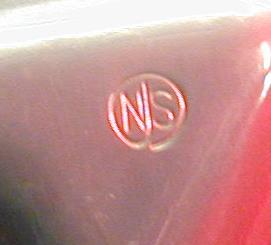
That is, don't skimp on the rear hub, cog, and lockring. (For Christophe's sake, use a real fixed-gear hub with a lockring; don't cobble something together and "secure" it with Loctite or spot welds.) If you go with Japanese stuff (Suzue, etc.), make sure it has the NJS logo. This ensures the part has been certified to meet the stringent standards of Keirin, which is professional, government-regulated greyhound racing by humans for other humans to bet on. Beyond Japan, Campagnolo, Miche and Surly have good reputations. Use a big cog—18-tooth or so—so the chain will engage lots of teeth concurrently and won't slip.
As a fixie newbie, use a rim brake on at least one wheel; that will give you a bailout option while you learn to do downhills. Choose an easy gear combination, such as 40 or 42-tooth front to go with your 18 rear, so you won't strain so much on the uphills.
And oh yeah, don't forget a messenger bag in whatever brand the cool kids are using now. Does Prada make one yet?
—Wanda B.
You're right; the Most Important Thing with fixed-gear bikes is, course, that you can't coast. When you go downhill, your legs will flail. If you don't have hand brakes, you'll use every strand of connective tissue in your legs to resist the pedals and control your speed.
The Wise Old Bike Guy is at a disadvantage here. Fixies weren't in favor (in northern Cali) back in my day; now that they are, I'm pulling my toddler in a trailer and conserving my rickety knees. Thus, although I've worked on a few, I don't have much experience riding them.
However, I can tell you this: Ride what makes sense for the riding you do, not what the fashionistas dictate. If you live up on Mt. Scott and work on Hawthorne, make with the derailleur gears and handbrakes unless you're really ready for adventure.
On the other hand: Fixies typically are inherently light and low-maintenance, great for improving your fitness quickly, and may even stick better on wet roads. (A driven wheel grips better, like in the Subaru (?) commercials.) They look elegant and classic, and they boost their riders' self-esteem by implying skill and daring.
If you do decide a fixie is in your future, don't skimp; plan on spending at least a few hundred bucks. Fixies are simpler than geared bikes, but that means there's less redundance for safety; the task of keeping body and soul together—in an emergency wheel-lock skid to avoid an SUV turning left across the bike lane, for instance—will fall to just a few 1.375" x 24 TPI threads that connect the cog to the rear hub. Make sure they're good ones.
That is, don't skimp on the rear hub, cog, and lockring. (For Christophe's sake, use a real fixed-gear hub with a lockring; don't cobble something together and "secure" it with Loctite or spot welds.) If you go with Japanese stuff (Suzue, etc.), make sure it has the NJS logo. This ensures the part has been certified to meet the stringent standards of Keirin, which is professional, government-regulated greyhound racing by humans for other humans to bet on. Beyond Japan, Campagnolo, Miche and Surly have good reputations. Use a big cog—18-tooth or so—so the chain will engage lots of teeth concurrently and won't slip.
As a fixie newbie, use a rim brake on at least one wheel; that will give you a bailout option while you learn to do downhills. Choose an easy gear combination, such as 40 or 42-tooth front to go with your 18 rear, so you won't strain so much on the uphills.
And oh yeah, don't forget a messenger bag in whatever brand the cool kids are using now. Does Prada make one yet?
Wednesday, October 26, 2005
Steal this post
Seems like I can't go two hours without hearing about another stolen bike. My velo is my main transpo, but I'm getting to the point where I don't want to leave it parked anywhere. What can I do?
—Gone on 62nd (and Hawthorne)
You could take a tip from all those Madone-riding, strong-living Lance-alikes: Don't park your bike anywhere except high atop your SUV.
Seriously, though: I suspect the ratio of thefts to available bikes has remained constant as Portland bike culture has grown; but now we hear about them more (which could lead to more recoveries).
The sum total of all bike-retention wisdom can be expressed thus: Ride a crappy (looking) bike and lock it well.
Most (but by no means all) bikes that get stolen are highly conspicuous. They are shiny and new, or they have trendy new color-coordinated wheels, etc. Thieves likely perceive shiny new bikes as easier and more profitable to fence. So save your shiny new bike for pleasure rides, and build yourself a beater for getting around.
That's one good reason to buy used from Craigslist or the community/co-op/non-profit shops: They can be great places to find a quality bike with that authentic beat-to-hell camouflage that only a decade or two of use can provide.
Don't clean your bike. Lube it, of course, and wipe down the rims and brake pads. Knock the crud off the chain and rear cogs and derailleur pulleys. But don't wash it or shine it up unless you're trying to sell it. Road grit makes great camouflage.
Many bikes that get stolen aren't locked at all. Others are tethered with only one type of lock. So:
—Gone on 62nd (and Hawthorne)
You could take a tip from all those Madone-riding, strong-living Lance-alikes: Don't park your bike anywhere except high atop your SUV.
Seriously, though: I suspect the ratio of thefts to available bikes has remained constant as Portland bike culture has grown; but now we hear about them more (which could lead to more recoveries).
The sum total of all bike-retention wisdom can be expressed thus: Ride a crappy (looking) bike and lock it well.
Most (but by no means all) bikes that get stolen are highly conspicuous. They are shiny and new, or they have trendy new color-coordinated wheels, etc. Thieves likely perceive shiny new bikes as easier and more profitable to fence. So save your shiny new bike for pleasure rides, and build yourself a beater for getting around.
That's one good reason to buy used from Craigslist or the community/co-op/non-profit shops: They can be great places to find a quality bike with that authentic beat-to-hell camouflage that only a decade or two of use can provide.
Don't clean your bike. Lube it, of course, and wipe down the rims and brake pads. Knock the crud off the chain and rear cogs and derailleur pulleys. But don't wash it or shine it up unless you're trying to sell it. Road grit makes great camouflage.
Many bikes that get stolen aren't locked at all. Others are tethered with only one type of lock. So:
- Lock even if you're just ducking into the Plaid Pantry for a second.
- Lock even in your garage, or your building's parking cage, or your living room.
- Use more than one type of lock. That way the thief would have to lug more than one big tool—for example, a jack to break your U-lock, and bolt cutters to snip your thick cable or chain.
Tuesday, October 18, 2005
:02 down; 14:58 to go
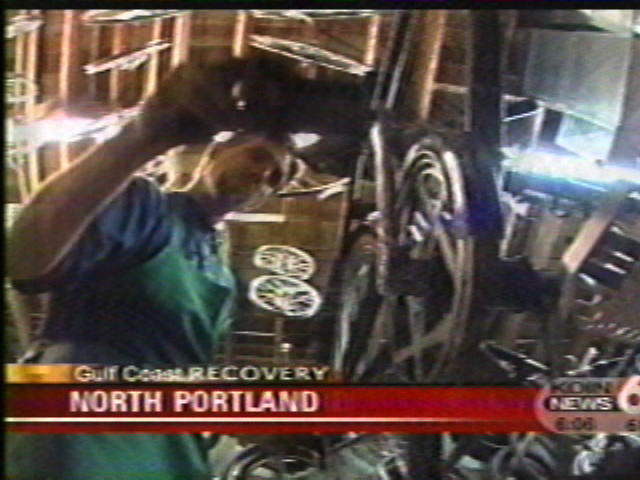
Your freindly neighborhood WOBG got a couple seconds of fame Sunday night when KOIN 6 filmed us volunteers building bikes for Katrina victims at North Portland Bikeworks. What a great laid-back staff there, and impeccable taste in music as well. I hope I can get back for the next session.
Monday, October 10, 2005
Beyond color: choosing a good used ride
I'm looking for a used bike to ride to work—from Woodstock to downtown—and just as general transportation. I want a bike that's fun to ride, and since it will eventually pay for itself in saved gas, I'm looking to spend up to $300. I want to get something I really like, but I don't have much technical knowledge. Please briefly describe some of the criteria for judging the quality of a used bike, other than the color of the paint.
—A newer commuter
Newer, you wound me! Experts agree that paint color is of foremost importance. As my wife says, "Red is fast." What more do you need to know?
Oh, all right. Here are what I think of as "benefits" of a good used commuter bike that's fun to ride, and from there maybe I can backtrack to "features":
That leads to these features:
• A sturdy but light frame made of a high grade of steel known generically as 4130 chromoly (manganese-moly is good too), with brands such as Reynolds, Columbus, Tange, Ishiwata, True Temper, etc.
Most better bikes will have a sticker somewhere on the frame that describes the frame material. If the sticker doesn't list the aforementioned brands or generic type, the frame likely is a lower grade of steel—still sturdy but not so light. Of course there are frames of aluminum, carbon fiber, etc., but most used ones will be wannabe racing bikes that can't fit wider tires or full fenders--so they're not so useful when rainy season hits.
• Wheels with rims made of aluminum alloy—because steel rims lose most of their braking ability when wet. Better yet (but rare), disc or drum brakes that aren't affected at all by the wet.
• Pedals that have foot retention such as toe clips and straps and/or grabby metal teeth or pegs and/or a receptacle for the cleats that adorn cycling-specific shoes (with the cleat and receptacle acting kind of like a ski boot and binding)
• An appropriate drivetrain. For your commute, with that short but steep wall at about 39th Street, you could get by with "average" road-bike gearing—but the extra low gears derived from a third chainring (as with 18, 21, 24, or 27-speed bikes) would be welcome.
Unfortunately, some bikes matching this description could be 20 years old or more. You should watch for the following predictable funkiness:
• The spokes—particularly those of the rear wheel—may be near the end of their life span, so you may get a broken spoke every other week or so. When a spoke breaks, the wheel gets wobbly and rubs on the brakes, which is a pain. Consider having the rear wheel re-spoked or replaced as a preventative measure, if it hasn't been done already.
• The chain and the smallest two or three of the cogs it meshes with may well be worn and in need of replacement. Such wear can lead to the chain skipping and causing you to stumble at the worst times—like in the middle of an intersection. Again, consider replacing them it hasn't already been done.
—A newer commuter
Newer, you wound me! Experts agree that paint color is of foremost importance. As my wife says, "Red is fast." What more do you need to know?
Oh, all right. Here are what I think of as "benefits" of a good used commuter bike that's fun to ride, and from there maybe I can backtrack to "features":
- Easy to carry onto bus racks and MAX
- Brakes work well even when wet
- Your feet stay on the pedals even when wet
- Lots of room to mount wider-than-racing tires and full fenders (for the wet)
- Has enough of a gear range for the places you're likely to go
That leads to these features:
• A sturdy but light frame made of a high grade of steel known generically as 4130 chromoly (manganese-moly is good too), with brands such as Reynolds, Columbus, Tange, Ishiwata, True Temper, etc.
Most better bikes will have a sticker somewhere on the frame that describes the frame material. If the sticker doesn't list the aforementioned brands or generic type, the frame likely is a lower grade of steel—still sturdy but not so light. Of course there are frames of aluminum, carbon fiber, etc., but most used ones will be wannabe racing bikes that can't fit wider tires or full fenders--so they're not so useful when rainy season hits.
• Wheels with rims made of aluminum alloy—because steel rims lose most of their braking ability when wet. Better yet (but rare), disc or drum brakes that aren't affected at all by the wet.
• Pedals that have foot retention such as toe clips and straps and/or grabby metal teeth or pegs and/or a receptacle for the cleats that adorn cycling-specific shoes (with the cleat and receptacle acting kind of like a ski boot and binding)
• An appropriate drivetrain. For your commute, with that short but steep wall at about 39th Street, you could get by with "average" road-bike gearing—but the extra low gears derived from a third chainring (as with 18, 21, 24, or 27-speed bikes) would be welcome.
Unfortunately, some bikes matching this description could be 20 years old or more. You should watch for the following predictable funkiness:
• The spokes—particularly those of the rear wheel—may be near the end of their life span, so you may get a broken spoke every other week or so. When a spoke breaks, the wheel gets wobbly and rubs on the brakes, which is a pain. Consider having the rear wheel re-spoked or replaced as a preventative measure, if it hasn't been done already.
• The chain and the smallest two or three of the cogs it meshes with may well be worn and in need of replacement. Such wear can lead to the chain skipping and causing you to stumble at the worst times—like in the middle of an intersection. Again, consider replacing them it hasn't already been done.
Thursday, October 06, 2005
One bike to rule them all
My precious 15-year-old commuter mountain bike is ready for the pasture. I don't have a lot of storage space, and I'm longing for one bike that will do it all: commutes along with moderate road rides and off-road use (no jumping).
If I take a nice, light aluminum touring frame that's built for 26" wheels—a Dutch/Asian Koga-Miyata or something cheaper if I can find it)—put MTB parts and flat bars (built up to easily switch out with drop bars) and lockable front suspension on it, will it be strong and agile enough? Or will it be limited to mild fireroads? I'm 180 and somewhat hard on bikes—I've pringled/cracked a few good rims on moderate rides.
—Haul 'em like Gollum
I too have dreams of an elegant omnivore for trekking not only to Powell Butte or Forest Park, but through them as well. There's a lot to be said for staying SUV-free and riding from your front door and back—even when dirt is your destination.
I think what you have in mind would work, but I have reservations. The Koga-Miyata seems to have a long back end (typical in touring/trekking bikes), which might make it hard to find the right weight distribution for traction on steep climbs. Also it doesn't appear to be suspension-corrected; with a shock fork the front end will be jacked up higher, which will decrease the head-tube angle and make the steering seem sluggish. It might handle like primordial mountain bikes even older than your retired commuter: fine downhill, limited otherwise.
Intead, might I suggest as a base the Surly Karate Monkey? It's a bit heavier than what you had in mind, and it's in short supply right now—but it has supreme versatility. It's intended to be built around 700C wheels (the standard size for higher-quality road bikes)—either as a 29er mountain bike or as a cyclocross-style bike—but keep in mind that if you use disc brakes, you could swap easily between 26-inch and 700C as conditions dictate. Besides, you can get some pretty stout 700C rims these days.
One other note: While dabbling in adventure racing over the previous two summers, I found I could use a drop bar very effectively on single-track, as long as it was extra-wide and extra-high. I have a freak-of-nature, discontinued 50 cm anatomic bar, but other options exist.
If we ever get these bikes built, we should go for a ride. Any other all-rounders out there?
If I take a nice, light aluminum touring frame that's built for 26" wheels—a Dutch/Asian Koga-Miyata or something cheaper if I can find it)—put MTB parts and flat bars (built up to easily switch out with drop bars) and lockable front suspension on it, will it be strong and agile enough? Or will it be limited to mild fireroads? I'm 180 and somewhat hard on bikes—I've pringled/cracked a few good rims on moderate rides.
—Haul 'em like Gollum
I too have dreams of an elegant omnivore for trekking not only to Powell Butte or Forest Park, but through them as well. There's a lot to be said for staying SUV-free and riding from your front door and back—even when dirt is your destination.
I think what you have in mind would work, but I have reservations. The Koga-Miyata seems to have a long back end (typical in touring/trekking bikes), which might make it hard to find the right weight distribution for traction on steep climbs. Also it doesn't appear to be suspension-corrected; with a shock fork the front end will be jacked up higher, which will decrease the head-tube angle and make the steering seem sluggish. It might handle like primordial mountain bikes even older than your retired commuter: fine downhill, limited otherwise.
Intead, might I suggest as a base the Surly Karate Monkey? It's a bit heavier than what you had in mind, and it's in short supply right now—but it has supreme versatility. It's intended to be built around 700C wheels (the standard size for higher-quality road bikes)—either as a 29er mountain bike or as a cyclocross-style bike—but keep in mind that if you use disc brakes, you could swap easily between 26-inch and 700C as conditions dictate. Besides, you can get some pretty stout 700C rims these days.
One other note: While dabbling in adventure racing over the previous two summers, I found I could use a drop bar very effectively on single-track, as long as it was extra-wide and extra-high. I have a freak-of-nature, discontinued 50 cm anatomic bar, but other options exist.
If we ever get these bikes built, we should go for a ride. Any other all-rounders out there?
Thursday, September 29, 2005
Hips? Check. Knees? Check. Bike?
I have had one hip and two knees replaced. I've been riding my indoor Schwinn Airdyne, to keep my joints going. Now I'm ready to get back on my 30-year-old Schwinn Suburban.
My kids bought me a fancy Cannondale hybrid four years ago and I never felt comfortable on it. I probably rode it less than 50 miles. I took the Suburban to a shop for a tune-up, and they told me they couldn't get parts to fix my ten-speed gear system, so its in "uphill" mode—which is nice when I'm going uphill, but annoying when things are level.
Can a more modern set of gears be put on my old Schwinn bike, which I dearly love, and feel perfectly at home on?
—On the road again
If your doctor could find the parts to get your personal drivetrain back on the road, then doggone it—somebody ought to be able to do the same for your bike's. The short answer is yes, your Suburban can be retrofitted with a more modern system.
Shimano Tourney derailleurs and levers seem to me to be the best match in new parts that would fit your bike. The levers would be mounted right by the grips, so you wouldn't have to move your hands very far. The right-hand lever would click into place when shifting from one gear to another. The freewheel, chain, cables and cable housing also would need to be replaced. You would end up with 12 speeds instead of 10, but who's counting? It wouldn't be cheap to do—but you would likely still turn a tidy profit after selling the Cannondale. (Tell your kids it got stolen.)
However, I'm dismayed the shop couldn't come up with a part to make your existing components work. The Suburban shares most drivetrain parts in common with the retro-trendy Varsity and Continental, and lots of people in this town have experience fixing them. Have you tried the used-bike shops? City Bikes on Ankeny has a great room full of used parts for low cost.
One other thing about your bike, though: If you've ever ridden it in the rain, you know that its steel rims cause the brakes to lose nearly all their stopping power when wet. You can change to aluminum alloy rims, but that adds quite a lot to the cost. This is not an issue if you never ride in the rain, of course.
My kids bought me a fancy Cannondale hybrid four years ago and I never felt comfortable on it. I probably rode it less than 50 miles. I took the Suburban to a shop for a tune-up, and they told me they couldn't get parts to fix my ten-speed gear system, so its in "uphill" mode—which is nice when I'm going uphill, but annoying when things are level.
Can a more modern set of gears be put on my old Schwinn bike, which I dearly love, and feel perfectly at home on?
—On the road again
If your doctor could find the parts to get your personal drivetrain back on the road, then doggone it—somebody ought to be able to do the same for your bike's. The short answer is yes, your Suburban can be retrofitted with a more modern system.
Shimano Tourney derailleurs and levers seem to me to be the best match in new parts that would fit your bike. The levers would be mounted right by the grips, so you wouldn't have to move your hands very far. The right-hand lever would click into place when shifting from one gear to another. The freewheel, chain, cables and cable housing also would need to be replaced. You would end up with 12 speeds instead of 10, but who's counting? It wouldn't be cheap to do—but you would likely still turn a tidy profit after selling the Cannondale. (Tell your kids it got stolen.)
However, I'm dismayed the shop couldn't come up with a part to make your existing components work. The Suburban shares most drivetrain parts in common with the retro-trendy Varsity and Continental, and lots of people in this town have experience fixing them. Have you tried the used-bike shops? City Bikes on Ankeny has a great room full of used parts for low cost.
One other thing about your bike, though: If you've ever ridden it in the rain, you know that its steel rims cause the brakes to lose nearly all their stopping power when wet. You can change to aluminum alloy rims, but that adds quite a lot to the cost. This is not an issue if you never ride in the rain, of course.
Monday, September 26, 2005
A case of the wobblies
I just bought an old (maybe too old) Peugeot and I am experiencing a problem when I pedal. The horizontal shaft that the two pedal assemblies are mounted to feels loose or wobbly. It's not a firm, solid, smooth revolution, but a floppy one.
I tried to tighten the bolt, but it didn't help much. Is there anything I can do—or did I "get the shaft," so to speak?
—Non-union but Wobbly nonetheless
Cut it out, Wobbly; bad puns and oblique references are the sole prerogative of the blog author. Didn't you read the fine print on the user agreement?
You didn't necessarily get the shaft; this is a pretty common deal on older bikes. Yours probably is old enough to have cottered cranks—the kind where a small, wedged bolt pierces the width of the crankarm and has a nut on one side ( like this). If so, the problem is probably that the nuts loosened years ago and the wedge parts of the cotters have worn down over time, allowing things to get sloppy. The solution would be to replace the cotters. Good news: cotters are cheap. Bad news: A special tool is needed to do it right. It's probably best to have a shop do it and charge you the twenty bucks or so.
There's a chance the problem could be in the bottom bracket—the bearings inside the frame, where the crankarms attach. If so, adjusting the cup and lockring on the left side of the frame might solve it. (Again, alas, special tools are needed to do it right—but it's a smaller labor charge than replacing cotters.)
It's also possible—but less likely—that the bearings inside are toast and need to be replaced (bigger labor charge). This could get tricky because your bike likely is old enough to have French-threaded bearing cups, which can be hard to find (but not necessarily expensive).
For some comfort in all this, create an account on eBay and then browse the "completed listings" to see how much collectors are paying for certain old Peugeots.
I tried to tighten the bolt, but it didn't help much. Is there anything I can do—or did I "get the shaft," so to speak?
—Non-union but Wobbly nonetheless
Cut it out, Wobbly; bad puns and oblique references are the sole prerogative of the blog author. Didn't you read the fine print on the user agreement?
You didn't necessarily get the shaft; this is a pretty common deal on older bikes. Yours probably is old enough to have cottered cranks—the kind where a small, wedged bolt pierces the width of the crankarm and has a nut on one side ( like this). If so, the problem is probably that the nuts loosened years ago and the wedge parts of the cotters have worn down over time, allowing things to get sloppy. The solution would be to replace the cotters. Good news: cotters are cheap. Bad news: A special tool is needed to do it right. It's probably best to have a shop do it and charge you the twenty bucks or so.
There's a chance the problem could be in the bottom bracket—the bearings inside the frame, where the crankarms attach. If so, adjusting the cup and lockring on the left side of the frame might solve it. (Again, alas, special tools are needed to do it right—but it's a smaller labor charge than replacing cotters.)
It's also possible—but less likely—that the bearings inside are toast and need to be replaced (bigger labor charge). This could get tricky because your bike likely is old enough to have French-threaded bearing cups, which can be hard to find (but not necessarily expensive).
For some comfort in all this, create an account on eBay and then browse the "completed listings" to see how much collectors are paying for certain old Peugeots.
Clydesdale and then some: what to ride?
I'm a 280-pound guy, six feet tall. I used to be a football player. I want to ride a bike to the bus and around—you know—to lose a few. What type of bike should I get?
—Big Man Near Campus
Surprisingly, 280 and thereabouts often is not much of an issue. I used to work for a shop that supplied the 49ers training camp, and we had few equipment problems. Most types of bike should work if:
If you get a road-racing-type bike, put on the widest tires that will clear the frame--such as 28 or 32 millimeters wide instead of the more common 20-23. That will give you better ride quality and fewer flat tires.
If you get a mountain bike, you'll buy yourself some tolerance for a more aggressive riding style.
As with any new rider, you'll probably be more comfortable at first with a wide, cushy seat and high handlebars. As you get used to riding, the typical "sport" seats and riding positions will give you more speed and power.
So the best bet might be to start off with a "comfort-style" mountain bike, which has the wide, cushy seat and high bars. Then later you can change those items in favor of more sporty ones. Later still, maybe you would trade in favor of a skinny-tire bike.
—Big Man Near Campus
Surprisingly, 280 and thereabouts often is not much of an issue. I used to work for a shop that supplied the 49ers training camp, and we had few equipment problems. Most types of bike should work if:
- The bike is good quality—not a WalMart-type "toy" bike
- It is in good working order
- It's adjusted to fit you
- Your riding style is laid back—no curb hopping or attacking the climbs or sprinting for traffic lights
- You pump up the tires to full pressure every week without fail (important)
If you get a road-racing-type bike, put on the widest tires that will clear the frame--such as 28 or 32 millimeters wide instead of the more common 20-23. That will give you better ride quality and fewer flat tires.
If you get a mountain bike, you'll buy yourself some tolerance for a more aggressive riding style.
As with any new rider, you'll probably be more comfortable at first with a wide, cushy seat and high handlebars. As you get used to riding, the typical "sport" seats and riding positions will give you more speed and power.
So the best bet might be to start off with a "comfort-style" mountain bike, which has the wide, cushy seat and high bars. Then later you can change those items in favor of more sporty ones. Later still, maybe you would trade in favor of a skinny-tire bike.
Saturday, September 24, 2005
Is it still safe to ride?
I keep reading and hearing about bike riders getting hit and killed. Is it still safe to ride in this town?
—Prudence in Portland
—Prudence in Portland
Dear Prudence (see Siouxsie and the Banshees),
My short answer is yes. The number of cyclists is way up over the last few years, but the number of bike accidents is about the same. That suggests it's actually gotten safer.
Compared to other cities and metro areas where I've ridden—Chicago, Sacramento, San Francisco, Las Vegas, Reno—this is cycling Nirvana. There are so many good routes and amenities and so much accommodation by motorists.
So why are we all feeling uneasy?
Eight riders have been killed this season, instead of the usual two for the whole year. More than four times as many, right? But those numbers are still too small to have statistical significance. That is, they could indicate just plain old "bad luck" rather than a trend.
But eight riders killed is more than significant in generating a lot of media exposure, whether the media are news stories, letters to the editor, blogs, roadside memorials, memorial rides, etc. Portland has a vibrant bike culture, and the culture is all over this one.
That's good but not all good, IMHO. One potential effect of any vibrant culture is to galvanize people into tribes, and make them see the larger whole as "us" vs "them." This balkanization fosters suspicion and hatred of "them" by a few crackpots—both those within the tribe and those outside. The crackpots get aggressive and militant, and that behavior gets echoed in the mainstream. (For echoes of suspicion, hatred, aggression and militancy by both cyclists and motorists, just skim the close-call reports on Bike Portland.)
So what does that mean for you on the road? There are never very many true crackpots (the rest are just posturing), so your chances of encountering one who's behind a wheel are slim. You still might get accidentally squashed—but again, that risk seems to have actually decreased. Besides, it's a risk we knowingly accept each time we saddle up and dance with dinosaurs. And that moderate but bracing risk—let's face it—is part of the appeal.
Nevertheless, how about some tips for reducing your risk?
• If you need to take the whole lane because of hazards such as getting doored, go ahead and do it if you can go at or near the speed of traffic. If you've got hazards on the right and traffic is way faster than you, that street sucks; find a different route. This is supposed to be fun and there's no need to martyr yourself.
• Always stop for stop signs, traffic lights, occupied crosswalks, and school buses; no exceptions unless it's noon and you're at a stop sign deep in the 'burbs where traffic is nonexistent between commute times.
• One of the great things about cycling is the ability to morph from vehicle to pedestrian and back as conditions dictate. But be careful, predictable, even methodical about how you do it: Ride on sidewalks only as a last resort. Before you use a crosswalk, stop, get off and walk.
• Wear a helmet. Duh.
Thursday, September 22, 2005
Electra Townie: a "perfect fit"?
The Bike Portland blog has a recent post that touches on the marketing of the Electra Townie, a subtly new species of cruiser bike that's being touted as ideal for new riders in our fine city. (At Bike Portland, click on the small picture of the ad to read it.) But what if newbies couldn't take their Townies on the bus?
According to an insider who attended the recent kickoff for BTA's Bike Commute Challenge, a Townie was ceremoniously placed in a TriMet bus rack for a photo op—only it didn't fit. Apparently the laid-back cruise machine was too long for the rack. Seems like it might be too long to hang from a MAX bike rack as well.
The Townie looks pretty normal, but its longer, more laid-back stance means you can have full leg extension when pedaling, yet put your feet flat on the ground when stopped. Maybe such security is a fair tradeoff for the potential loss of public-transit access; maybe not. Caveat emptor.
According to an insider who attended the recent kickoff for BTA's Bike Commute Challenge, a Townie was ceremoniously placed in a TriMet bus rack for a photo op—only it didn't fit. Apparently the laid-back cruise machine was too long for the rack. Seems like it might be too long to hang from a MAX bike rack as well.
The Townie looks pretty normal, but its longer, more laid-back stance means you can have full leg extension when pedaling, yet put your feet flat on the ground when stopped. Maybe such security is a fair tradeoff for the potential loss of public-transit access; maybe not. Caveat emptor.
When the chain won't stay
I’ve got a high-zoot road bike with sixteen speeds: an eight-cog cassette in back and two chainrings up front. Everything works just as it’s supposed to except once in a while the chain comes off the inner chainring.
Everything appears to be adjusted properly and I have no rubbing on the front derailleur in any gear. Once the chain came off from the bottom when my feet weren’t on the pedals (like I was pedaling backwards) but I couldn’t reproduce this by pedaling backwards.
I guess I can live with it jumping every other day, but I'm getting a little tired of wearing chain grease to the office. If you have some advice I’d gladly take it.
—Prometheus Unchained
If what you describe happens only when shifting up front, the fix could be as simple as tightening the front derailleur's inner limit screw a half-turn, so that the chain isn't moved quite so far "in" during the shift to the inner chainring. But I bet you've already tried that.
Sounds like your bike is as much as ten years old, so it may not have all the original parts; that doesn't bode well. Higher-quality bikes got a whole lot more susceptible to chaos theory in the early to mid '90s; one slightly mismatched replacement part, like the proverbial butterfly flapping its wings, could throw off the whole drivetrain's performance.
I don't think the chain is the culprit; if it were, you would notice symptoms on the rear cogs much more than on the front chainrings. (An exception might be if you happen to have a nine-speed chain—narrower than necessary for your eight-speed cassette, and prone to wonky front shifting on chainrings that aren't spaced to match its lesser width.)
I think it's a chainline problem. That is, the bottom-bracket spindle—the rotating thing that the cranks attach to—may be too long, putting the chainrings too far "out," so that the chain is making unnatural angles in some gear combinations. (This wouldn't necessarily cause rubbing on the front derailleur.)
Some tests for you to perform: Is the chain more likely to jump ship when it's on the bigger (that is, the innermost) cogs in back? When you stand behind the bike and trace an imaginary line from between cogs 4 and 5 forward, does it line up between the two chainrings, or close to it? (A couple millimeters "in" or "out" won't matter much.)
You may need a bottom bracket with a shorter spindle. You can get them in a variety of lengths, but of course you need to know how long your current one is. Once you take the bottom bracket completely out, you'll see a sticker and/or a stamping that lists the spindle length. After the shorter spindle is in, don't forget to adjust the front derailleur's limit screws.
Everything appears to be adjusted properly and I have no rubbing on the front derailleur in any gear. Once the chain came off from the bottom when my feet weren’t on the pedals (like I was pedaling backwards) but I couldn’t reproduce this by pedaling backwards.
I guess I can live with it jumping every other day, but I'm getting a little tired of wearing chain grease to the office. If you have some advice I’d gladly take it.
—Prometheus Unchained
If what you describe happens only when shifting up front, the fix could be as simple as tightening the front derailleur's inner limit screw a half-turn, so that the chain isn't moved quite so far "in" during the shift to the inner chainring. But I bet you've already tried that.
Sounds like your bike is as much as ten years old, so it may not have all the original parts; that doesn't bode well. Higher-quality bikes got a whole lot more susceptible to chaos theory in the early to mid '90s; one slightly mismatched replacement part, like the proverbial butterfly flapping its wings, could throw off the whole drivetrain's performance.
I don't think the chain is the culprit; if it were, you would notice symptoms on the rear cogs much more than on the front chainrings. (An exception might be if you happen to have a nine-speed chain—narrower than necessary for your eight-speed cassette, and prone to wonky front shifting on chainrings that aren't spaced to match its lesser width.)
I think it's a chainline problem. That is, the bottom-bracket spindle—the rotating thing that the cranks attach to—may be too long, putting the chainrings too far "out," so that the chain is making unnatural angles in some gear combinations. (This wouldn't necessarily cause rubbing on the front derailleur.)
Some tests for you to perform: Is the chain more likely to jump ship when it's on the bigger (that is, the innermost) cogs in back? When you stand behind the bike and trace an imaginary line from between cogs 4 and 5 forward, does it line up between the two chainrings, or close to it? (A couple millimeters "in" or "out" won't matter much.)
You may need a bottom bracket with a shorter spindle. You can get them in a variety of lengths, but of course you need to know how long your current one is. Once you take the bottom bracket completely out, you'll see a sticker and/or a stamping that lists the spindle length. After the shorter spindle is in, don't forget to adjust the front derailleur's limit screws.
Wednesday, September 21, 2005
For newbies: Which frame size?
Thanks for explaining standover height. I'm buying a bike for a friend who is about 5'10. What size frame would fit best? —M
Good lord, tell me this is not going to be a surprise gift. The chances of buying a good-fitting bike for someone else are about as good as dropping a laser shot down the garbage chute of the Death Star.
Frame size depends not so much on the rider's overall height as on the relationship between leg length and torso length. Another way to think of it: The frame ought to accommodate you lengthwise as well as heightwise. Men tend to have shorter legs but longer torsos at any given height compared to women, and bikes for dirt-trail use generally are not as tall as bikes for use only on pavement. It all factors in.
Here are some tips for the rider, whom you should bring along for test rides. Otherwise—use the Force, M.
Before test-riding, adjust the seat height so that the knee is still a little bent even at the bottom of the pedal stroke. If the seat doesn't go up high enough (watch for the "minimum insertion" mark on the seatpost), try a bigger bike. While riding, pay attention to how it feels not only height-wise, but lengthwise. Do you feel too far "ahead of" or "behind" the pedals? Is the handlebar far enough way that you don't feel cramped, and your back is not arched or humped? When you pedal, do your knees seem to overlap your elbows a lot, or just a little?
Even (especially) if the verdict is bad, measure how long the distance was from the seat to the handlebar. That will give you a useful comparison number for screening other bikes. If it feels close but not quite, keep in mind that the seat can be adjusted a little fore and aft, and the stem—the piece that connects the handlebar to the rest of the bike—can be replaced with one that's longer or shorter.
Good lord, tell me this is not going to be a surprise gift. The chances of buying a good-fitting bike for someone else are about as good as dropping a laser shot down the garbage chute of the Death Star.
Frame size depends not so much on the rider's overall height as on the relationship between leg length and torso length. Another way to think of it: The frame ought to accommodate you lengthwise as well as heightwise. Men tend to have shorter legs but longer torsos at any given height compared to women, and bikes for dirt-trail use generally are not as tall as bikes for use only on pavement. It all factors in.
Here are some tips for the rider, whom you should bring along for test rides. Otherwise—use the Force, M.
Before test-riding, adjust the seat height so that the knee is still a little bent even at the bottom of the pedal stroke. If the seat doesn't go up high enough (watch for the "minimum insertion" mark on the seatpost), try a bigger bike. While riding, pay attention to how it feels not only height-wise, but lengthwise. Do you feel too far "ahead of" or "behind" the pedals? Is the handlebar far enough way that you don't feel cramped, and your back is not arched or humped? When you pedal, do your knees seem to overlap your elbows a lot, or just a little?
Even (especially) if the verdict is bad, measure how long the distance was from the seat to the handlebar. That will give you a useful comparison number for screening other bikes. If it feels close but not quite, keep in mind that the seat can be adjusted a little fore and aft, and the stem—the piece that connects the handlebar to the rest of the bike—can be replaced with one that's longer or shorter.
Subscribe to:
Posts (Atom)